
Smart Youth in Smart Cities
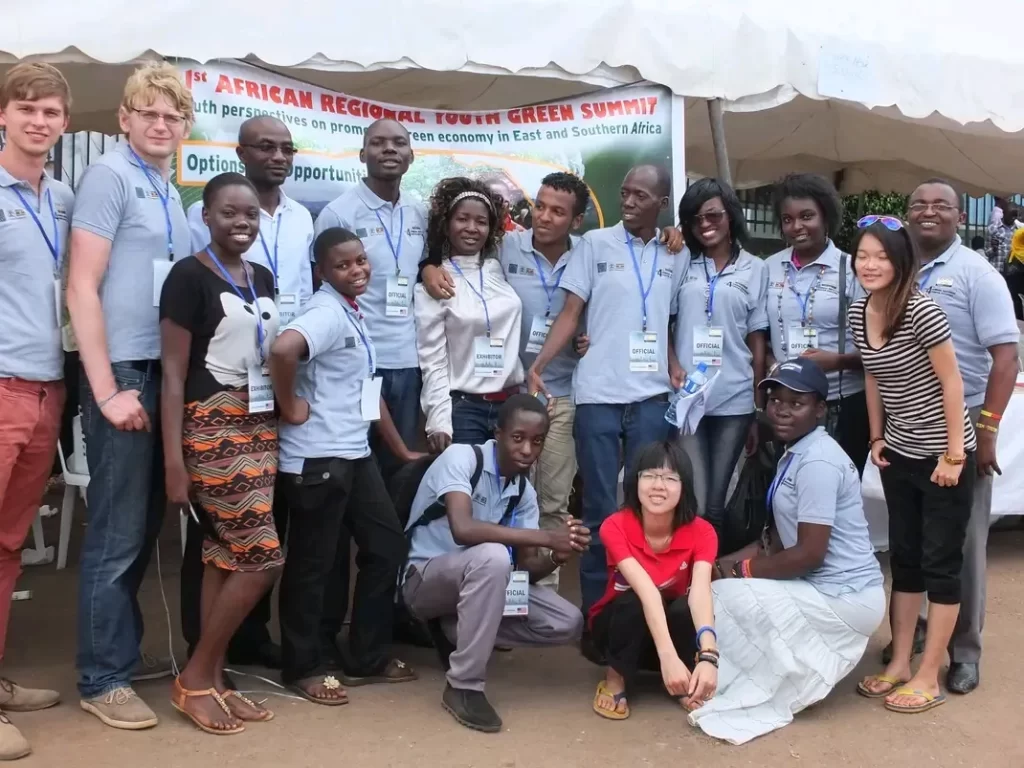
We are a local, youth led non-Governmental Organisation (NGO) whose purpose is to complement the service and education objectives of both formal and informal sectors by: -Providing education, capacity and service delivery programs for young people, institutions and community members.
Utilizing culturally and developmentally appropriate practices. Teens Uganda is an organization with programs of service to young people to include, children, teenagers and young adults/youth. It is geared to providing an out let of healthful activity and training under good leadership in the atmosphere of wholesome community participation.
The organization is dedicated to helping young people become productive and decent citizens. It inspires them with an objective to achieve and enriches their lives towards the day when they must take their places in the world. It establishes the values of teamwork, good health focus and responsibility. The ogrnization has its head offices in Kawaala, Lubaga Div, Kampala, Uganda
A society where youths are offered ample opportunity to better their lives by recognizing self and other people’s rights.
a) To promote active youth engagement in providing social support, companionship, and direct care services to elderly people and persons with disabilities.
b) To promote among young people healthy lifestyles and the ability to make responsible choices.
c) To strengthen youth capacity to support elderly people and persons with disabilities through health education, daily assistance, and access to essential community services.
d) To advocate for exploration of further environmental health and safety issues affecting children/youth.
e) To empower youth to promote inclusion, accessibility, and advocacy for the rights and well-being of elderly people and persons with disabilities in communities.
f) To influence the attitudes of youths with regards to their understanding of the environment and environmental issues that will soon affect them.
Youth form the majority population in any given community of Uganda. Therefore most of the health problems, social and community violations brought about may tend to increase morbidity and mortality rates, crime and conflict, environmental concerns, moral and spiritual failures resulting from roots of increased vulnerability to economic and educational failures among the young persons.
According to national statistics, Uganda currently has about 34.1 million people where youth contribute about 78% to this population having grown from 33.8 million in 2010 and 16 million in 1991 with a population growth rate of 3.2% (POPSEC projected report on population 2012). The population reference bureau, suggests that Uganda now has the second highest young population in the world. About 83% of these youth have no formal employment. One of key focusses is on stressing the need to maintain sexual and reproductive health.
Sustainability is an integral part of the development process and cannot be considered in isolation involving a holistic approach and understanding of issues which are best handled with the participation of all concerned. It also involves changing of attitudes and lifestyles, to minimise and reduce the impacts on environment.
Young scientists have power to change, which is possible only if we develop an enabling environment with better education, exposure and linkages. The effective implementation of youth policies in these areas across the region requires that youth-related issues be given high priority in national development agendas.
Youth-related issues are often marginalized due to challenges such as internal conflicts or poverty yet require more critical thinking and strategic planning. To date, many relevant issues have been responded to in an ad-hoc manner without adequate consideration for their long-term implications on youth populations.
With pressures mounting due to climate change, energy, food and water issues, solution seekers emphasize that young people are the missing link if these challenges are to be addressed comprehensively.